AI Scriptwriting vs. Traditional Writing in 2026: What’s Best for You?
AI Scriptwriting vs. Traditional Writing in 2026: What’s Best for You?
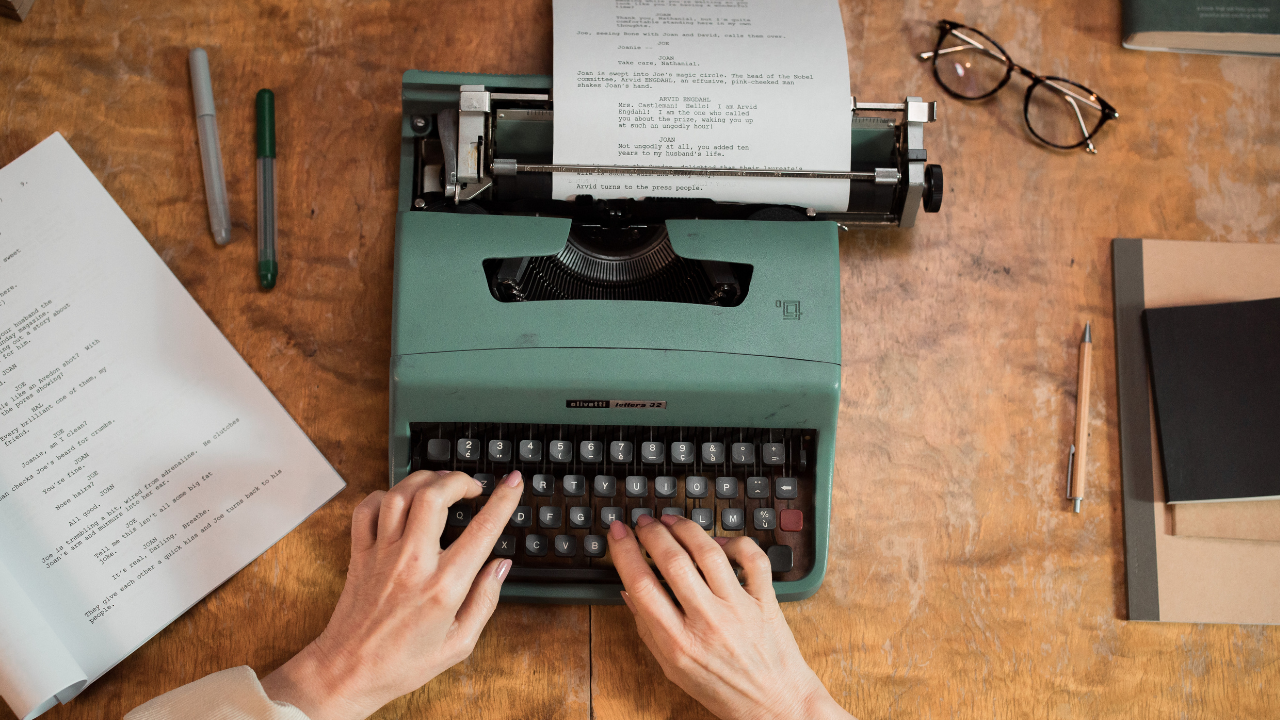
Writing scripts used to be a purely manual, agonizing process. Whether you were agonizing over a typewriter, staring at a blinking cursor in Final Draft, or scribbling ideas for a YouTube video in a notebook, it required hours of intense focus.
Now, generative AI offers a seemingly magical alternative. You type a prompt, and 30 seconds later, you have a fully formatted script. But is it actually better than traditional methods? Will it sound like you, or will it sound like a corporate robot?
Let’s break down the ultimate debate of 2026 and see how marketers, short-form creators, and fiction writers can decide which approach actually works for their workflow.
At a Glance: The Scriptwriting Showdown
| Feature | Traditional Writing | AI Scriptwriting | The 2026 Hybrid Method |
|---|---|---|---|
| Speed | Slow (Hours/Days) | Instant (Seconds) | Fast (Minutes) |
| Authentic Voice | 100% Yours | Generic "AI Tone" | Human-Directed AI |
| Formatting | Manual & Tedious | Automatic | Automatic |
| Idea Generation | Prone to Writer's Block | Infinite Options | Infinite Options + Human Curation |
1. The Traditional Method (The Purist Approach)
Traditional scriptwriting is just you and the blank page. No algorithms, no prompts, just raw human creativity.
The Pros:
- Total Creative Control: Every single comma, pause, and punchline is deliberately chosen by you.
- Deeply Personal Voice: Your unique sense of humor, your specific slang, and your lived experiences naturally bleed into the text.
- Subtext & Nuance: Human writers excel at subtext—having characters say one thing while clearly meaning another.
The Cons:
- The Time Sink: Writing a highly engaging, retention-optimized YouTube script manually can take 4 to 8 hours of drafting, editing, and pacing.
- The Burnout Factor: If you are a creator trying to post three TikToks a day, writing everything from scratch will lead to massive creative fatigue.
2. The AI Scriptwriting Method (The Scale Approach)
AI scriptwriting involves using Large Language Models (LLMs) trained on millions of successful videos and movies to generate formatting, dialogue, and hooks on demand.
The Pros:
- Unmatched Speed: You can generate five different variations of a 60-second TikTok script in under two minutes.
- Built-In Retention Formulas: Specialized AI tools know exactly when to place a "hook" or a pattern interrupt to keep viewers from scrolling away.
- Format Shifting: AI can take a 10-minute YouTube script and instantly summarize it into three 30-second Instagram Reels.
The Cons:
- The "Vanilla" Voice: Left unedited, AI scripts sound polite, enthusiastic, and incredibly boring.
- Hallucinations: The AI might invent facts or create dialogue that sounds completely unnatural when spoken out loud by a real human.
3. The 2026 Hybrid Workflow (The Sweet Spot)
The most successful YouTubers, marketers, and screenwriters in 2026 don't choose one or the other. They use a Hybrid Approach. They let AI handle the heavy lifting of formatting and structure, while they provide the soul and the final polish.
Here is how to build your hybrid scriptwriting tech stack:
Step 1: The Hook & Ideation
Read our full Storylab.ai Review here
Don't wait for inspiration. Use Storylab.ai to brainstorm. Input your rough concept (e.g., "A video about saving money on groceries"), and let the AI generate 10 different, highly engaging angles and opening hooks.
Step 2: The Core Script Draft
Read our full Subscribr.ai Review here
If you are writing for YouTube, do not use ChatGPT. Use a dedicated tool like Subscribr.ai. It is specifically trained on high-retention YouTube scripts. It will automatically format your A-roll (what you say) and your B-roll (what the viewer sees) into a professional two-column script.
Step 3: Expanding Dialogue & Scenes
Read our full Sudowrite Review here
If you are writing narrative fiction or a short film, move your rough outline into Sudowrite. Use its "Expand" feature to turn a brief scene description into a fully formatted screenplay scene, complete with vivid character actions and natural dialogue suggestions.
Step 4: Short-Form Splintering
Read our full Rytr Review here
Once your main script is done, use Rytr to splinter it. Paste your main points into Rytr and ask it to generate three short, punchy, 15-second variations perfect for TikTok or YouTube Shorts.
The Boring Truth: You Still Have to Edit
Here is the "boring truth" that AI software companies don't want to put on their landing pages: A script generated by AI is a first draft, not a final product.
AI is a tool that accelerates idea generation and platform adaptation, but it cannot replicate your actual lived experience. If you generate a script about "overcoming failure," the AI will write generic platitudes. You must go into the script manually and insert the specific story about the time you got fired from your barista job in 2019. That human detail is what actually connects with the audience.
Frequently Asked Questions (FAQ)
Will AI replace human screenwriters? No. AI replaces the blank page, not the writer. Studios and audiences still demand unique human perspectives. However, writers who use AI to speed up their workflow will inevitably replace writers who refuse to adapt.
Can I copyright a script generated entirely by AI? In most jurisdictions (including the US), you cannot copyright a work created solely by a machine. However, if you use AI to brainstorm or write a rough draft, and then heavily edit, refine, and structure the final script yourself, you can claim human authorship.
Are AI scripts formatted correctly for Hollywood? If you use generic chatbots, no. If you use specialized tools like Squibler or AI plugins for Final Draft, yes—they will adhere perfectly to standard Courier 12pt industry formatting.
The Takeaway: Stop Choosing, Start Combining
AI isn’t a replacement for your creative mind—it’s an exoskeleton for it. Traditional writing preserves your unique voice and subtlety, while AI gives you the speed and structure to compete in the fast-paced 2026 creator economy.
The most effective creators use both together, letting AI handle the repetitive structural tasks while they refine the heart of the story.
Ready to build your Hybrid Workflow?
- 👉 Outline your videos with Storylab.ai.
- 👉 Write retention-heavy YouTube scripts with Subscribr.ai.
- 👉 Draft narrative screenplays with Sudowrite.
- 👉 Generate short-form TikTok hooks with Rytr.
Transparency Note: The Story & Script AI Directory is reader-supported. We may earn a commission if you purchase through our links.
Listings related to AI Scriptwriting vs. Traditional Writing in 2026: What’s Best for You?
StoryLab.ai
Generate story ideas and prompts instantly with StoryLab.ai — perfect for writers, marketers, and creators seeking inspiration and creative flow.
Sudowrite
Boost your storytelling and scriptwriting with Sudowrite AI — brainstorm ideas, refine dialogue, and structure plots with ease.
Rytr
Rytr is an AI‑writing assistant designed for creators, solopreneurs, and small teams who need fast content ideas, first drafts, or short‑form copy

Writesonic
Writesonic combines AI storytelling with SEO and research-backed recommendations, helping creators produce structured content that performs in search and engages audiences.
Story Script AI
Create long-form YouTube videos effortlessly with Story Script AI: 50,000-word scripts, visuals, and audio from a single prompt.

Subscribr.ai
Create YouTube scripts faster with Subscribr.ai. AI-assisted research, Canvas editing, and personalized style help creators produce content efficiently.