ChatGPT vs. Specialized AI Story Tools in 2026: Are Sudowrite and NovelAI Worth the Money?
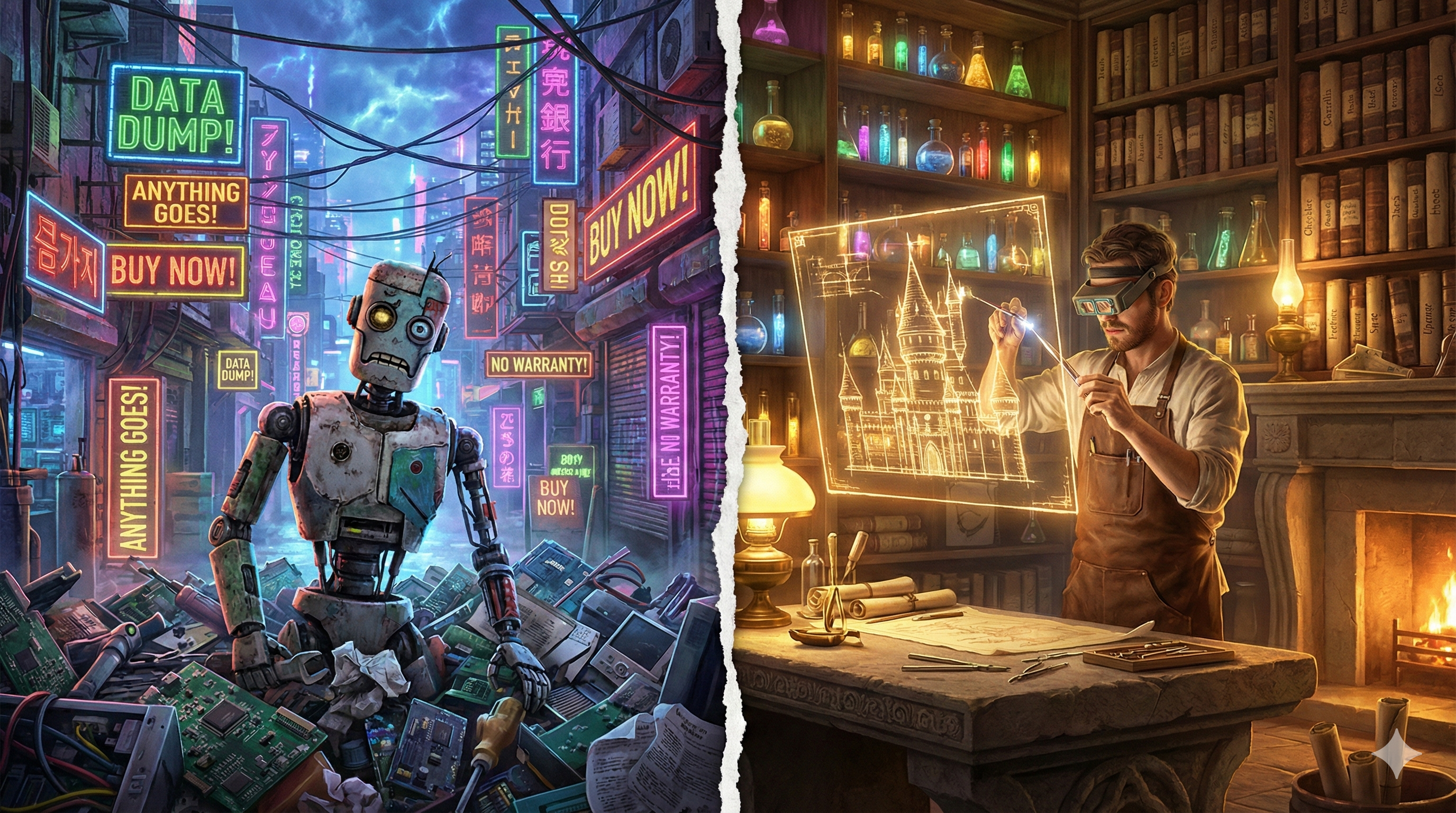
ChatGPT vs. Specialized AI Story Tools in 2026: Are Sudowrite and NovelAI Worth the Money?
If you are a writer experimenting with AI in 2026, you almost certainly started with ChatGPT or Claude. It makes sense: they are easily accessible, incredibly versatile, and—for the most part—free.
You ask for a character name, and it gives you ten. You ask for a quick scene beat, and it writes a surprisingly decent paragraph.
But then, the cracks start to show.
Three chapters into your novel, ChatGPT suddenly forgets your protagonist's eye color. It flat-out refuses to write a crucial conflict scene because it deems the villain’s actions "too aggressive." Or, perhaps most annoyingly, it wraps up every single plot point with a cheesy, moralizing summary at the end of every response.
Welcome to the "Generalist Trap."
As we build the Story & Script AI Directory, the most common question we get from frustrated authors is: "Is it actually worth paying for a premium tool like Sudowrite or NovelAI when massive LLMs like ChatGPT exist for free?"
The honest answer? It depends entirely on what you are writing—and how much patience you have. Here is the definitive breakdown of why serious fiction writers eventually abandon general chatbots for dedicated storytelling engines.
At a Glance: Generalists vs. Specialists
| Feature | ChatGPT (Plus) | Sudowrite | NovelAI |
|---|---|---|---|
| Primary Design | Coding, Emails, Summaries | Fiction, Novels, Screenplays | Uncensored Creative Writing |
| Content Filters | Strict (Corporate safety) | Lenient (Allows mature themes) | Zero Filters (Completely uncensored) |
| Long-Term Memory | Poor (Forgets past chapters) | Excellent (Story Bible database) | Excellent (Lorebook system) |
| Prose Style | Generic "AI Voice" & preachy | Highly customizable, literary | Adapts strictly to your writing style |
1. The "Safety" Filter (The HR Manager Problem)
Tools like ChatGPT (OpenAI) and Claude (Anthropic) are built to be helpful corporate assistants. Because they are designed for enterprise use, they have incredibly strict safety guardrails that actively work against fiction writers.
- ChatGPT: Try to write a gritty crime thriller, a dark fantasy battle, or a high-stakes romance novel. General AIs will often sanitize the output, completely removing violence, tension, or intimacy to remain "brand safe." A story without tension isn't a story; it's a lecture.
- The Specialist Solution: Read our full NovelAI Review here. NovelAI is famous in the writing community specifically because it has zero censorship. It acts as a true co-author that follows your lead, no matter how dark, violent, or steamy the narrative gets. It doesn't judge your writing; it just helps you write it.
2. The "Goldfish Memory" (Context Windows)
- ChatGPT: While context windows are getting larger in 2026, standard chatbots do not inherently "know" your book. They do not have a dedicated, permanent slot for your character bible or your world-building rules. By chapter 5, ChatGPT will resurrect dead characters or forget the rules of your magic system. You have to constantly remind it who is in the room.
- The Specialist Solution: Read our full Sudowrite Review here. Sudowrite uses a feature called the Story Engine. Instead of a scrolling chat, you input your genre, style, character list, and plot outline into dedicated database fields. The AI references these permanent fields every single time it generates text, ensuring your continuity remains incredibly tight across an 80,000-word manuscript.
3. The "Show, Don't Tell" Problem
General chatbots love to summarize. If you ask ChatGPT to write a scene about a sad character, it will output: "John felt a deep, overwhelming sadness as he looked out the window, realizing the gravity of his choices." It tells the reader how to feel, which is the cardinal sin of creative writing.
Sudowrite fixes this with built-in literary tools. It features a dedicated "Describe" button. You highlight the word "sadness," click Describe, and the AI generates sensory details: the lump forming in the character's throat, the stinging of unshed tears, the heavy, suffocating feeling in their chest. It forces the AI to show the scene, creating immersive prose.
The Boring Truth: Time is Money
The "boring truth" of this debate comes down to a simple cost-benefit analysis of your own time.
Yes, ChatGPT is free (or $20/month for Plus). But if you are writing a novel, you will spend dozens of hours "prompt engineering," fighting the censorship filters, reminding the AI of the plot, and heavily editing the generic "AI voice" out of the prose.
AI tools are investments in your production speed. If a specialized $25/month tool saves you 15 hours of intense frustration a month, it has already paid for itself. Don't let the "free" price tag of general chatbots cost you your sanity.
The Pro Workflow: How to Use Both
You don't have to choose just one. Most professional AI-assisted authors in 2026 use a highly efficient hybrid workflow to save money and maximize output:
- Brainstorming (ChatGPT): Use the free version of ChatGPT (or the voice mode on your phone) to bounce high-level ideas around, generate a rough plot outline, and overcome the blank page. It is a fantastic conversational brainstorming partner.
- Drafting (Sudowrite / NovelAI): Move that outline into your specialized tool. Fill out the character cards in Sudowrite's Story Bible or NovelAI's Lorebook, and let the specialized AI handle the heavy lifting of writing the actual, consistent prose chapter by chapter.
- Editing: Export the manuscript to your favorite word processor, add your human touch, and publish.
Frequently Asked Questions (FAQ)
Can I write a full, publishable novel using only ChatGPT? Technically yes, but it is incredibly tedious. You will have to use massive, complex "mega-prompts" for every single scene to keep the AI on track, and the editing required to make it sound human is often more work than just writing it yourself.
Is NovelAI difficult to learn? NovelAI has a steeper learning curve than Sudowrite because it operates more like an advanced text-completion engine rather than a guided wizard. However, for authors who demand 100% control and zero censorship, the learning curve is entirely worth it.
Do I own the copyright to the stories I write on these platforms? Yes. Both Sudowrite and NovelAI's terms of service state that you retain 100% of the commercial rights to the content you generate and refine on their platforms.
Final Verdict: Which Should You Choose?
Stop fighting the "tool block" disguised as writer's block. If you are serious about finishing your manuscript this year, you need the right tool for the job.
👉 Choose Sudowrite if: You want the most advanced, user-friendly Story Engine on the market to help you outline, manage, and write a consistent, long-form novel with beautiful prose.
👉 Choose NovelAI if: You write grimdark fantasy, gritty thrillers, or mature romance and need a 100% uncensored AI co-author that never judges your creative direction.
Transparency Note: The Story & Script AI Directory is reader-supported. We may earn a commission if you purchase through our links.
Listings related to ChatGPT vs. Specialized AI Story Tools in 2026: Are Sudowrite and NovelAI Worth the Money?

NovelAI
Discover NovelAI — an AI-powered platform for writers and creators who want high-quality anime art, long-form fiction, worldbuilding, and character development tools.
Sudowrite
Boost your storytelling and scriptwriting with Sudowrite AI — brainstorm ideas, refine dialogue, and structure plots with ease.

Grammarly
Grammarly is a writing assistant that helps you improve clarity, tone, and correctness in your text. It analyzes your writing in real time, highlighting grammar issues, awkward phrasing, and stylistic problems. It also offers suggestions for conciseness, readability, and tone adjustments, making it useful for emails, professional documents, academic writing, and everyday communication.

Jasper AI
Jasper AI helps creators draft blogs, scripts, and social content faster. Ideal for solopreneurs, marketers, and small teams.