HeyGen vs. Synthesia
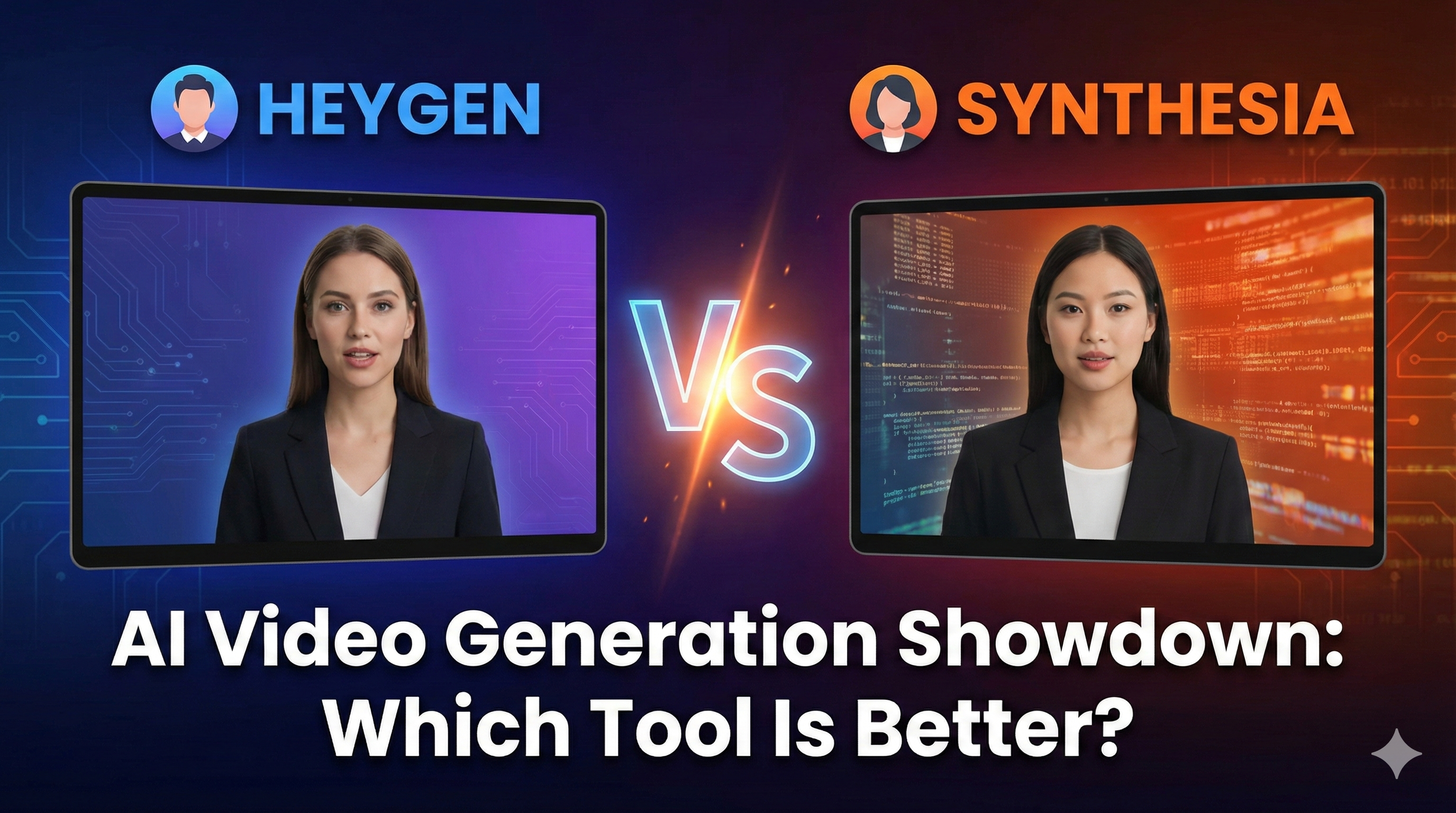
HeyGen vs Synthesia Review 2026: Which AI Avatar Tool is Actually Realistic?
If you are camera-shy, lack the budget for a full production crew, or simply need to scale your video content output daily, you have likely narrowed your search down to two heavyweights: HeyGen and Synthesia.
On the surface, they look identical. Both promise to turn text scripts into professional videos using AI avatars. Both claim they will save you dozens of hours in front of a camera.
But after rigorously testing both platforms specifically for storytelling, script delivery, and audience retention, the differences become stark. One operates as a corporate powerhouse; the other is engineered for modern content creators.
If you are trying to decide where to invest your monthly software budget, here is the honest, hype-free breakdown to help you stop analyzing and start rendering.
The Core Difference: "Corporate" vs. "Creator"
Before we look at the lip-sync technology, you need to understand the fundamental philosophy behind each tool.
Synthesia feels like a high-end enterprise platform. It is solid, highly reliable, and brand-safe. It is built explicitly for Fortune 500 companies creating internal compliance training videos, HR onboarding flows, and polished corporate communications.
HeyGen, on the other hand, moves faster. It feels built for the modern creator economy—YouTubers, indie marketers, and social media managers. It pushes the boundaries of voice cloning, micro-expressions, and rapid video translation far more aggressively because it knows creators live or die by viewer retention.
Round 1: Lip-Sync & The "Uncanny Valley"
When it comes to AI avatars, there is only one metric that truly matters: realism. If the lips don't match the audio perfectly, the illusion breaks, and your viewer clicks away.
Synthesia: Extremely stable. The avatars rarely glitch or artifact. However, they can sometimes feel a bit stiff—like a very polite news anchor reading from a teleprompter. The eye contact is perfect, which paradoxically can make it feel slightly unnatural over a long video.
HeyGen: Currently holds a distinct technical edge in "micro-expressions." Their avatars blink, nod, and raise their eyebrows in a rhythm that feels fundamentally more human. Furthermore, the lip-sync on their newer 2025/2026 models handles fast-paced speech and conversational pauses much better than Synthesia.
Winner: HeyGen (by a narrow margin for conversational realism).
Round 2: The "Cloning" Process (Friction vs. Polish)
Using stock avatars is fine for testing, but the real ROI comes from creating a digital twin of yourself. This allows you to maintain your personal brand without having to set up lights and microphones every day.
Synthesia: Requires a strict, professional recording process to create a custom avatar. You need a green screen or a perfectly solid background, excellent lighting, and a high-end camera. The resulting quality is incredibly high, but the setup is demanding and leaves little room for error.
HeyGen: Their instant avatar feature is a significant workflow advantage. You can record a two-minute video on your smartphone—even handheld in a well-lit room—upload it, and have a highly accurate working clone in minutes. For creators who want to scale their personal brand without heavy studio friction, this process is currently unbeatable.
Winner: HeyGen (for speed, accessibility, and ease of use).
Round 3: Voices, Languages & Global Reach
Both platforms offer a massive library of AI voices, but how they handle international translation is where they diverge.
Synthesia: Offers over 120 languages. The voices are crisp, professional, and highly legible. It is perfect for translating a company-wide memo for international branch offices.
HeyGen: Covers a similar range of languages, but their native "Video Translate" feature is built for audience growth. You can upload a video of yourself speaking English, and the software will translate the audio into fluent Spanish (using your cloned voice) while completely re-animating your lips to match the new language.
Winner: HeyGen (The translation workflow is superior for marketers).
Which is Better for YouTube Creators & Storytellers?
If you are running a faceless YouTube channel, a "Cash Cow" channel, or creating narrative-driven TikToks, your needs are different from a corporate HR department. You need dynamic pacing, the ability to overlay B-roll easily, and avatars that don't look like they are reading a spreadsheet.
For storytelling, HeyGen is the clear recommendation. The slightly more expressive avatars hold viewer attention longer. The ability to quickly generate an avatar in casual clothing (rather than a business suit) fits the aesthetic of platforms like YouTube and Instagram much better than Synthesia’s board-room ready models.
Want to see a deeper breakdown of HeyGen's specific features? Read our full here.
Round 4: Pricing (The Boring Truth)
AI video generation requires massive computing power, so neither of these tools is cheap. Treat them as a business investment.
| Feature / Tier | Synthesia (Starter) | HeyGen (Creator) |
|---|---|---|
| Starting Price | ~$22/month (billed annually) | ~$24/month (billed annually) |
| Video Minutes | 120 minutes / year | 180 minutes / year (15 credits/mo) |
| Custom Avatars | 1 included | 3 included |
| Best For | Corporate budgets, low volume | Creators, consistent uploads |
Note: Pricing models change frequently. Always check the official sites for the exact current tiers.
Both operate on a credit/minute system. If you are experimenting to see if AI video fits your workflow, HeyGen offers a slightly more accessible free trial that lets you test the water without entering a credit card.
Frequently Asked Questions (FAQ)
Can I monetize AI avatar videos on YouTube? Yes. YouTube’s current partner program allows monetization of AI-generated content, provided the video offers actual value, narrative, or educational content. Spamming low-effort AI videos will get you demonetized, but using an AI avatar to deliver a well-written script is perfectly compliant.
How long does it take to render a video? Both platforms are remarkably fast. A standard 5-minute video usually takes between 3 to 10 minutes to render, depending on server load and the complexity of the translation.
Is it safe to upload my face to these platforms? Both Synthesia and HeyGen have strict privacy protocols. They require verbal, recorded consent (a specific script you must read on camera) before they allow an avatar to be generated, preventing malicious actors from cloning people without their permission.
Verdict: Which One Fits Your Story?
Choosing between these two comes down to your end goal.
Choose Synthesia if:
- You are building an L&D (Learning & Development) library for a medium-to-large company.
- You need absolute brand safety, strict data compliance, and consistency.
- You prefer a polished, "Newsroom" aesthetic.
- Try it here:
Choose HeyGen if:
- You are a YouTuber, solopreneur, marketer, or storyteller.
- You want to clone yourself quickly using just a smartphone to save time.
- You need to translate your content to reach global audiences dynamically.
- Try it here:
The Bottom Line: For strict corporate use, Synthesia is the safe, established bet. But for creators, storytellers, and marketers who need to move fast and connect with an audience, HeyGen is currently the superior tool.
Transparency Note: The Story & Script AI Directory is reader-supported. We may earn a commission if you purchase through our links.
Listings related to HeyGen vs. Synthesia
Heygen
Turn your scripts into professional videos instantly. HeyGen removes the need for cameras by using realistic AI avatars. Perfect for writers and creators.

Synthesia
Create AI generated videos from text with the most advanced AI avatars and voiceovers in 140+ languages. Try our free AI video generator now!

Kling AI
Create professional videos and images with Kling AI's state-of-the-art generative AI platform. Our tools support video generation, image creation, and advanced editing capabilities for content creators.