Beyond the Book: 5 Untapped Ways to Monetize Your AI Writing Skills in 2026
Don't rely on book royalties. We reveal 5 untapped ways to earn money with AI writing skills, from ghostwriting to scripting faceless YouTube channels.

Squibler’s AI Book and Novel Writer helps you turn ideas into full novels and scripts fast, making writing easier than ever.
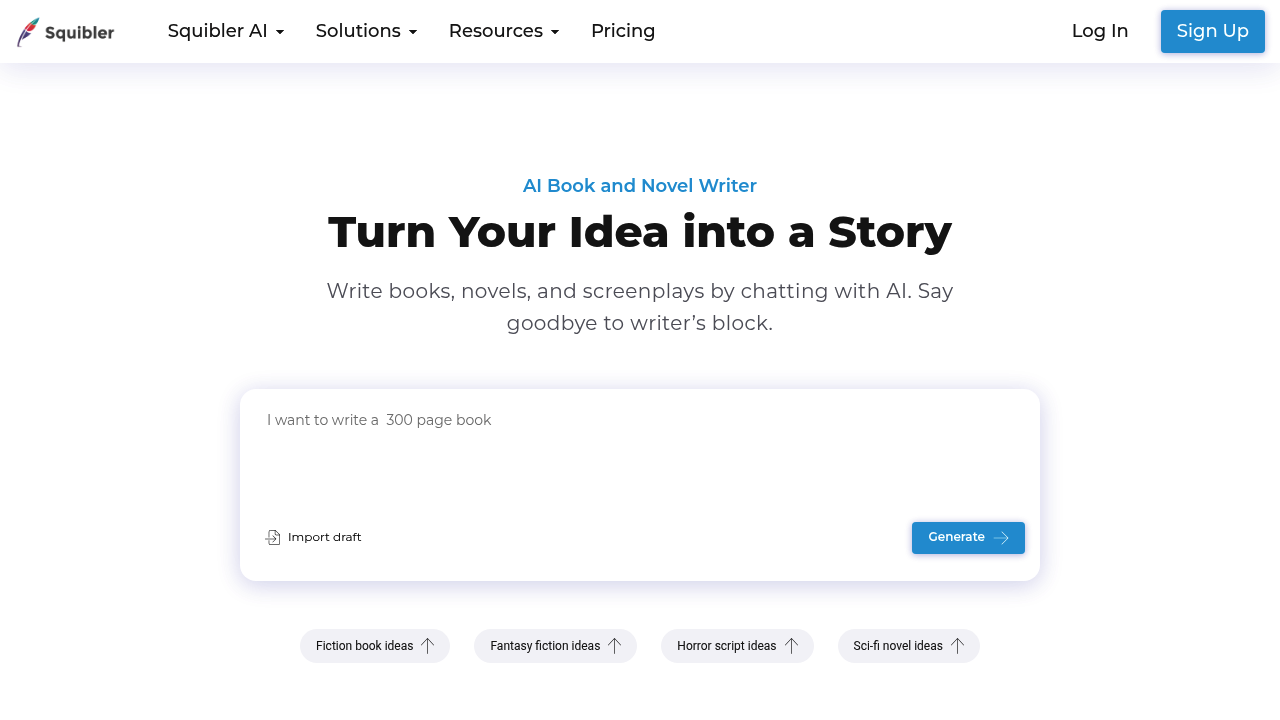
Most AI tools on the market today are simply endless, scrollable text fields. They work perfectly fine for drafting a 500-word blog post or a quick marketing email. But if you try to write a 60,000-word novel or a feature-length screenplay in ChatGPT or Jasper, you will quickly drown in continuity errors, forgotten character traits, and lost plot threads.
Squibler solves the "messy middle" of the writing process. It treats your novel or script as a structured project, rather than just a document.
If you are struggling to get your story across the finish line, here is the honest, hype-free breakdown of whether Squibler is the right investment for your writing business.
Squibler is an AI-assisted writing platform built specifically for novelists and screenwriters who struggle with structure. It combines the organizational power of traditional manuscript software with generative AI to help you outline, draft, and finish your book without losing the plot.
The unique selling proposition of Squibler is its hybrid nature: it is equal parts project manager and AI writing assistant.
While other tools focus on generating short-form copy, Squibler forces you into a structured workflow. With their recent updates, you must start with a "Book Proposal Flow"—defining your core concept, title, and synopsis—before the AI generates a single word of the manuscript. It is designed to keep you organized so that the AI has a rigid framework to build upon, preventing the story from going off the rails.
Instead of staring at a blinking cursor, Squibler gives you a systematic way to build a story.
You begin by feeding the AI your core concept, and it generates a chapter-by-chapter outline. Once you approve the structure, the real work begins using the "Expand" workflow. You can write a bullet-point prompt for a specific scene (e.g., "The detective enters the rainy alley, finds the matchbook, and realizes the killer is her partner"), highlight it, and use the AI to flesh it out into full prose or dialogue instantly.
If the AI writes a paragraph that feels flat, you don't have to rewrite your prompt from scratch. You simply use the interactive AI Chat tooltip and instruct it: "Make this sound more suspenseful and add sensory details," and the AI will refine the text directly in the editor.
Squibler combines specialized organization features with AI generation to keep long-form projects from stalling.
Squibler operates on a tiered subscription model. (Note: AI pricing models change frequently, so always check the official site for the latest rates).
Within the indie publishing and Reddit writing communities, Squibler is frequently praised for its clean interface and its ability to cure writer's block. Users consistently highlight that the structured templates "keep them on track."
However, the most common criticism is the learning curve. It requires you to learn its specific outlining system. Some traditionalists also find the recurring subscription model frustrating when compared to older, one-time purchase tools.
Can I write a screenplay in Squibler? Yes. Squibler features dedicated templates and automatic formatting specifically for screenplays, making it a viable alternative to tools like Final Draft if you want AI assistance during the drafting and brainstorming phases.
Do I own the rights to the AI-generated text? Yes. Under current standard terms, the copyright of the output belongs to the user, meaning you can commercialize, publish, and sell the books or scripts you create on the platform.
Will the AI copy someone else's work? Squibler uses major language models with built-in moderation to prevent direct plagiarism. However, it is always the author's responsibility to review, edit, and run a final plagiarism check before officially publishing a commercial book.
If you frequently lose track of your plot threads in standard word processors, or if you have three half-finished novels sitting on your hard drive right now, Squibler is a necessary infrastructure investment.
It will not write a perfect, publish-ready masterpiece for you on the first try—no AI will—but its structured workflow will absolutely force you to finish the book. If you are a "plotter" who needs a combination of high-level organization and AI generation, this is your dream tool.
Transparency note: This site is reader-supported. If you click our link and make a purchase, we may earn a commission at no extra cost to you. We only recommend tools we have genuinely reviewed.
Create long-form YouTube videos effortlessly with Story Script AI: 50,000-word scripts, visuals, and audio from a single prompt.

Create YouTube scripts faster with Subscribr.ai. AI-assisted research, Canvas editing, and personalized style help creators produce content efficiently.

Grammarly is a writing assistant that helps you improve clarity, tone, and correctness in your text. It analyzes your writing in real time, highlighting grammar issues, awkward phrasing, and stylistic problems. It also offers suggestions for conciseness, readability, and tone adjustments, making it useful for emails, professional documents, academic writing, and everyday communication.
Don't rely on book royalties. We reveal 5 untapped ways to earn money with AI writing skills, from ghostwriting to scripting faceless YouTube channels.
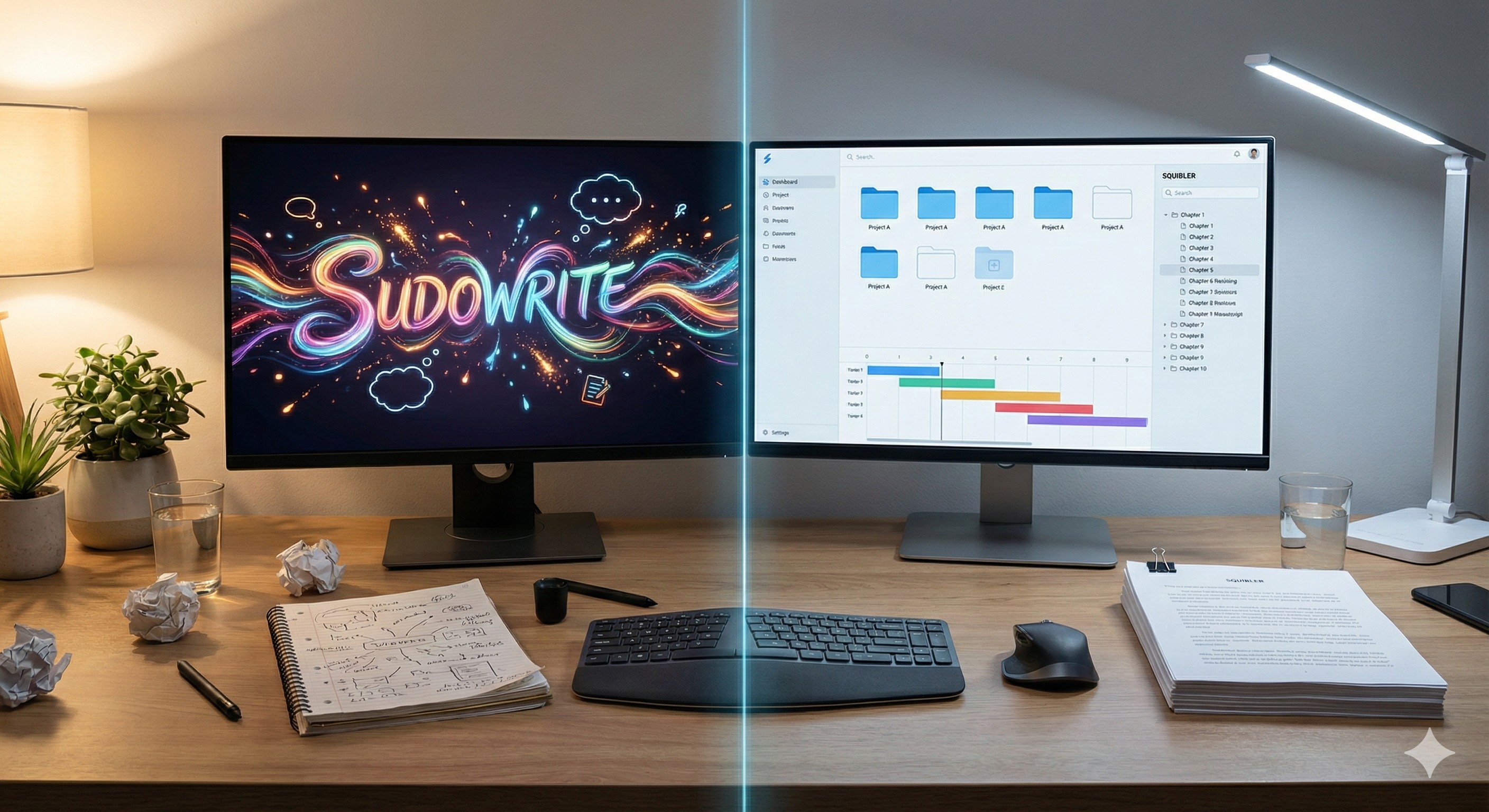
Squibler vs. Sudowrite (2026): Which tool writes better fiction? We compare Sudowrite's creative engine against Squibler's project management tools.
We tested the best AI writing tools for fiction writers in 2026. Here's exactly which tool to use for outlining, drafting, prose quality, and book marketing.